Islington Council rules for parking during removals
Posted on 31/07/2026

Islington Council rules for parking during removals: a practical guide for a smoother move
If you are moving in Islington, parking can become the part of the day that derails everything. The van is outside, the crew is ready, boxes are stacked, and then you realise the bay is restricted, the street is resident-only, or the space you hoped for is already taken. That is exactly why understanding the Islington Council rules for parking during removals matters before moving day, not halfway through it.
This guide breaks the topic down in plain English. You will learn how removal-day parking usually works, what to check in advance, how to avoid the most common mistakes, and when it makes sense to get extra support. Truth be told, a little planning here can save a lot of stress later. One awkward parking decision can cost time, money, and patience.
Why Islington Council rules for parking during removals Matters
Parking rules are not just a background detail. In a busy borough like Islington, they can decide whether your move runs like clockwork or turns into a long, awkward shuffle of furniture down the pavement. Removal vehicles need access, time, and enough space to load safely. If the street layout, bay restrictions, or permit conditions are ignored, the whole move can get slower and more expensive.
For anyone relocating from a flat, a maisonette, a family home, or an office, the real challenge is often not lifting the sofa. It is getting the van close enough to the front door without causing a parking problem. Narrow roads, controlled parking zones, resident bays, timed restrictions, and loading limitations can all affect where a van may stop.
And there is a human side to it too. Neighbours still need access. Pedestrians still need a clear path. You still need to avoid the low-level chaos of a van blocking a junction while everyone stands around wondering who is "just running inside for one more bag". Been there, seen that, and it rarely ends well.
If you are planning a larger move, it helps to think about parking alongside other move-day logistics such as packing, access, and timing. Our removals support in Highbury page and the wider services overview can be useful if you are mapping out the practical side of the day.
How Islington Council rules for parking during removals Works
At a practical level, removal-day parking in Islington usually comes down to four things: the type of bay or restriction outside the property, whether a permit or dispensation is needed, the size of the vehicle, and how long the vehicle needs to stay. The exact rules can vary from street to street, which is why assumptions are risky.
Here is the basic idea. Some streets may allow loading for a short period. Others may have resident bays, shared-use bays, pay-and-display spaces, or yellow line restrictions. A removal vehicle may be able to stop briefly for loading or unloading, but that does not automatically mean it can park there all day. The distinction matters. A van standing still for five minutes and a van being left in place for several hours are not treated the same.
In most cases, the person moving should plan ahead rather than hoping to "see what happens on the day". That may sound obvious, but it is often the point where moves go sideways. If the space nearest the property is not suitable, you may need a nearby legal fallback position. A short walk with a sack truck is still better than a penalty or a blocked road.
For moves involving tight access, basement flats, or top-floor properties with limited street space, it can be worth reading about difficult access removal solutions and access around Highbury Fields. The principles are similar: access planning comes first, then the rest of the move becomes much more manageable.
One more thing: if your move is in a rush, a same-day solution may still be possible, but parking becomes even more sensitive. See same-day removals in Highbury for the sort of service that often needs quick access decisions made cleanly.
Key Benefits and Practical Advantages
Getting the parking side right brings more benefits than people expect. It is not only about avoiding fines. It also makes the moving process calmer, safer, and usually cheaper in real terms.
- Less delay: The crew can load and unload without circling the block or waiting for a bay to clear.
- Lower risk of penalties: A legal parking plan reduces the chance of a ticket or enforcement action.
- Better safety: Fewer awkward carries, less rushing, and less chance of damage to items or property.
- Improved efficiency: When the van is where it needs to be, everyone works faster. Simple as that.
- Less neighbour friction: A tidy, planned move is far less likely to upset people in the street.
There is also a commercial side. If you are comparing removal options, a provider that understands local parking conditions can help you avoid hidden time losses. That matters whether you are moving a few boxes from a studio or shifting a full family home. Our pricing and quotes information can help you think about the real cost of a move, not just the headline price.
Expert summary: In Islington, the best parking plan is usually the one that is agreed before the van arrives. If you wait until moving day to improvise, you are already losing time.
Who This Is For and When It Makes Sense
This topic matters for almost anyone moving in or out of Islington, but some groups feel the pinch more than others.
- Flat movers: Flats often sit on narrow streets or within controlled parking areas, which makes loading trickier.
- House movers: Larger homes usually mean more belongings and a longer loading window.
- Students: Student moves are often fast, time-sensitive, and done with minimal parking tolerance.
- Office movers: Business relocations need predictable access to keep downtime low.
- People with large or fragile items: Furniture, pianos, or bulky items need close parking and careful handling.
If you are moving from a basement flat, a top-floor walk-up, or a street with heavy restrictions, the rules matter even more. In those cases, parking is not just convenient; it is part of the access strategy. That is why pages like flat removals in Highbury, house removals in Highbury, and office removals in Highbury are relevant to different moving scenarios.
Sometimes the smartest decision is simply to ask for a bit of help earlier than you think. Especially if you have stairwells, timed entry, awkward loading points, or a van that needs to be positioned with care. Not glamorous, but practical.
Step-by-Step Guidance
Here is the most useful way to approach Islington Council parking rules for removals without getting bogged down in jargon.
- Check the street conditions outside the property. Look at signs, bay markings, loading notices, and any time restrictions. Do not rely on memory if you last saw the street six months ago.
- Work out how long the vehicle needs. A short man-and-van job is very different from a full house move. Even a few extra minutes can matter in a restricted bay.
- Decide whether the van needs a parking solution or only loading access. Some moves can be done with brief loading stops, while others need a fuller parking arrangement.
- Build in a backup plan. If the nearest bay is unavailable, identify a legal alternative nearby. A backup plan is not a luxury; it is insurance against street-level chaos.
- Coordinate timing with the crew. If you are using a professional team, make sure arrival times, entry times, and parking access all line up.
- Protect the move with clear communication. Let everyone involved know where the van can and cannot stop, especially if neighbours, porters, or building managers are involved.
As a rule of thumb, the earlier you sort this, the easier the day feels. You do not need a legal essay, just a sensible plan. A quick five-minute check on the street can save a very long afternoon.
If your move is tied to a specific route or access point, some of our area-focused guides may help you think through the approach. For example, what to expect on Blackstock Road and moving from Highbury Grove both deal with local access realities in a useful way.
Expert Tips for Better Results
A few small decisions can make parking far less stressful. These are the habits that tend to help in real life, not just on paper.
- Arrive early enough to assess the street. In the morning, parking can look very different from midday or late afternoon.
- Use the smallest suitable vehicle. If the job can be done with a smaller van, that may give you more flexibility on tight streets.
- Keep key items grouped near the exit. The less time spent hunting for one missing lamp or box of kitchenware, the better.
- Label fragile or urgent items clearly. Faster loading is easier when everyone knows what needs careful handling.
- Plan for the weather. Rain changes everything. Wet pavement, slippery steps, and damp cardboard are never fun.
One practical observation: people often underestimate the effect of a bay being ten or fifteen metres too far from the door. That distance sounds tiny until you are carrying a wardrobe or a stack of boxes in and out all day. The difference becomes very real, very quickly.
If you want to reduce the total moving burden, it can help to combine parking planning with packing support or storage. See packing and boxes in Highbury and storage in Highbury for options that can ease the pressure a bit.
Common Mistakes to Avoid
The same few mistakes come up again and again. The good news is they are easy to avoid once you know what to look for.
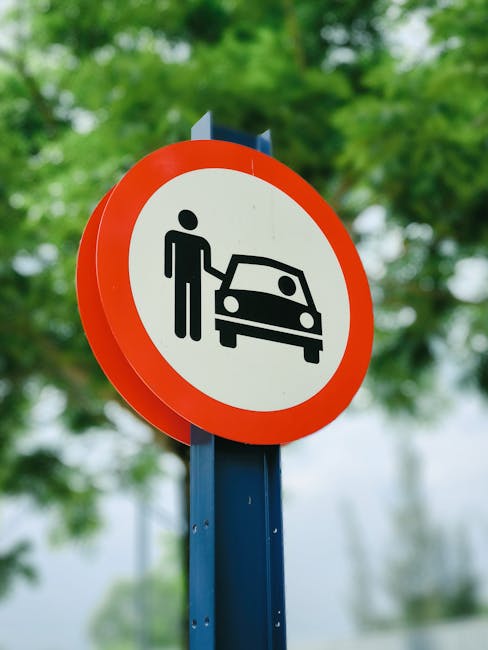
- Assuming loading is the same as parking. It is not. They may be treated differently.
- Ignoring time restrictions. A bay might be usable at one time of day and unsuitable at another.
- Forgetting about other vehicles. Delivery vans, residents, and tradespeople can take the best spot before you do.
- Leaving the decision too late. By moving day, the margin for error is tiny.
- Choosing the wrong size vehicle. Too large can mean awkward manoeuvres; too small can mean multiple trips. Neither is ideal.
- Not briefing neighbours or building staff. A little notice goes a long way, especially in shared buildings.
To be fair, most of these mistakes come from people simply having too much else on their plate. But that is exactly why a parking plan should be one of the first things on the list. Not the last. Never the last.
For more context on move-day costs and avoiding surprise add-ons, have a look at avoiding hidden removal charges in Highbury. Parking time, access, and waiting can all influence the final bill if they are not planned properly.
Tools, Resources and Recommendations
You do not need a complicated toolkit, but a few practical resources make a real difference.
- Street signage and bay markings: These are your first source of truth on the day.
- Moving inventory: A simple list of items helps you estimate loading time and space needs.
- Floor-plan or access notes: Useful for deciding where the van should stop and which entrance to use.
- Building contact details: Handy if access is controlled or if you need to coordinate lift or entry arrangements.
- Professional removal advice: Sometimes the most valuable resource is a team that already knows how local streets behave.
For practical support, you may also want to review man with van services in Highbury, man and van support, or a suitable removal van if you are comparing transport options for your move.
If the move involves delicate or specialist items, a bit of extra planning is wise. Piano moves, for example, are not something you want to improvise while standing in a busy street. Our piano removals page covers that sort of careful handling in more detail.
Law, Compliance, Standards, or Best Practice
Parking during removals sits within a mix of local parking controls, traffic management expectations, and general duty-of-care principles. The exact rules can change by location, so it is sensible to treat the council's street signage and local parking conditions as the deciding factor, not guesswork from a previous move.
Best practice usually means three things: park legally, keep access safe, and avoid obstructing others for longer than necessary. That is a useful benchmark whether you are arranging a family house move or a single-item collection. In the real world, it is also the difference between a calm job and a messy one.
Some moves may require advance planning because the street simply cannot absorb a large vehicle for long. In those cases, professionals usually look for the least disruptive option that still allows the job to be completed safely. If a building has access conditions, lift rules, or loading instructions, those should be followed too.
It is also wise to keep records of what was agreed: arrival time, vehicle size, access arrangements, and any relevant notes about the bay or loading point. Not because anyone loves paperwork, but because it prevents misunderstandings when everyone is tired and trying to finish before dark.
Options, Methods, or Comparison Table
There is no single "best" way to handle parking for removals in Islington. The right choice depends on your property, vehicle size, time window, and how much stuff needs moving. This comparison helps clarify the trade-offs.
| Option | Best for | Pros | Possible drawbacks |
|---|---|---|---|
| Brief loading only | Small moves, quick pick-ups | Fast, simple, minimal street disruption | Limited time and less flexibility if the move overruns |
| Nearby legal bay | Medium-sized moves, flats, mixed access streets | More stable setup, easier loading rhythm | May require extra carrying distance |
| Pre-planned larger vehicle access | Full house moves, bulky furniture | Better capacity, fewer trips | Harder to manoeuvre in narrow streets |
| Professional access planning | Complex or busy moves | Reduces risk, saves time, less guesswork | Needs more upfront coordination |
If you are deciding between options, start with the street, not the van. That sounds backwards, but it is usually the smartest way round. A vehicle that is perfect in theory can be a nuisance in practice if the access is tight.
Case Study or Real-World Example
Here is a realistic example. A tenant moving from a second-floor flat in Islington has a sofa, bed frame, boxes of books, and a few awkward plants. The street outside has resident bays and limited space. On paper, the move looks straightforward. In reality, the van cannot simply sit wherever it likes because neighbouring vehicles, time restrictions, and loading needs all come into play.
Instead of waiting until the morning of the move, the tenant checks the bay layout the day before, identifies the nearest workable loading point, and keeps heavy boxes grouped by room. The removal team arrives knowing where the vehicle can stop and which items need to come out first. The result is not dramatic. No heroics, no panic. Just a sensible, orderly move.
The tiny win here is parking certainty. That one bit of preparation cuts down carrying time, avoids arguments with other road users, and makes the whole thing feel less like a scramble. Honestly, that calm feeling at 8:15 in the morning is worth a lot.
This kind of planning also pairs well with broader moving support, whether you need removal services in Highbury, comparisons of removal companies, or simply a reliable team to keep the day on track.
Practical Checklist
Use this checklist before removal day. It is simple, but it works.
- Check the parking signs and bay markings outside the property.
- Confirm whether the move needs loading access only or a longer parking arrangement.
- Estimate how long the van will need on site.
- Identify a backup legal parking option nearby.
- Tell the removal team about any access limits, narrow entrances, or stair-only routes.
- Keep important items boxed and labelled first.
- Move personal documents, valuables, and essentials separately.
- Warn building managers or neighbours if the street will be busy.
- Allow extra time for traffic, rain, or lift delays.
- Double-check the plan the evening before the move.
If you want the broader move to feel less rushed, it can help to combine this checklist with a clear plan for packing and loading. For that, our packing help and furniture removals pages are good places to think through the practical side.
Get a free quote today and see how much you can save.
Conclusion
Islington Council rules for parking during removals are worth understanding because they shape the whole moving experience. When the parking is sorted, everything else becomes easier: loading, timing, safety, and even how calm you feel while the kettle is being unpacked in the new place.
Most people do not need to become parking experts. They just need a realistic plan, a clear look at the street, and a backup option if the first choice is not available. That is usually enough to keep the move legal, efficient, and far less stressful than it might otherwise be.
So if you are moving soon, give parking the attention it deserves. It is a small piece of the day, but it carries more weight than people think. And once it is handled properly, you really do feel the difference.